
Floor guides don’t get much attention when people shop for barn doors. Most buyers focus on the door style or the track hardware. After years of installs and fixes, I can tell you this: the floor guide quietly does more work than almost any other component.
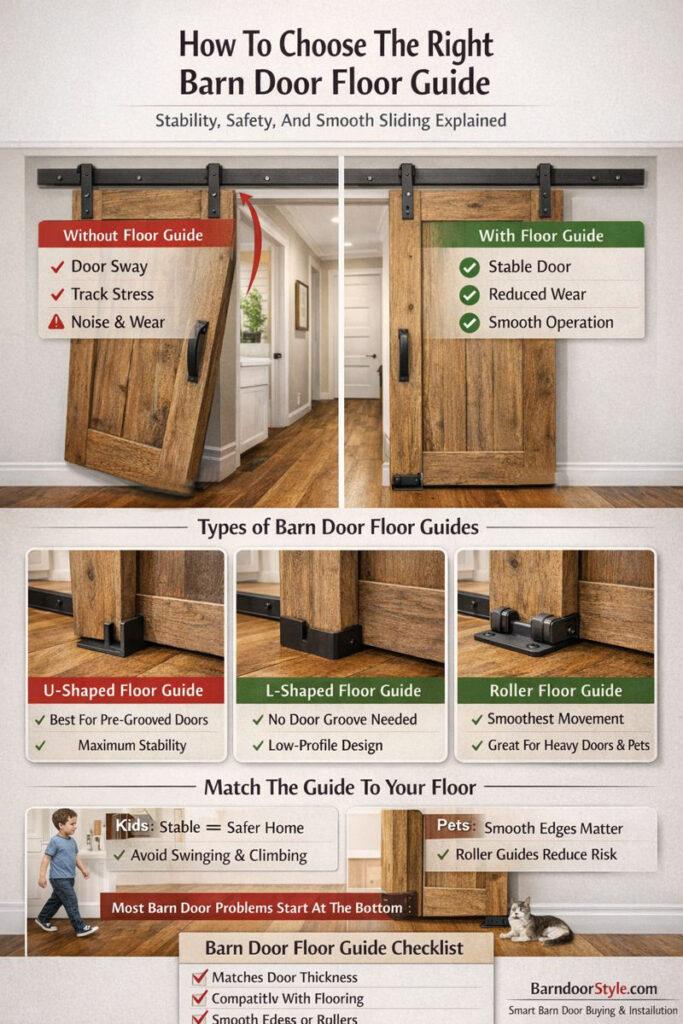
A good floor guide keeps the door stable, prevents sway, and protects your wall and track. A bad one creates noise, wear, and frustration.
This guide breaks down how to choose the right floor guide for your space, flooring, and door style, without overcomplicating it.
What a Floor Guide Actually Does
A barn door is top-hung, but that doesn’t mean the bottom can float freely.
Without a guide, the bottom of the door will swing. That movement transfers force upward to the rollers and track. Over time, that leads to loose hardware and uneven wear.
A floor guide:
- Keeps the door aligned vertically
- Limits side-to-side movement
- Reduces stress on the track and rollers
- Improves overall safety
If you’re worried about doors jumping or stability, this safety-focused article explains how guides fit into the bigger picture: Can Barn Doors Jump Off Track?
The Main Types of Barn Door Floor Guides
There are several common styles. Each solves a slightly different problem.
1. U-Shaped Floor Guides
U-shaped guides cradle the door from both sides.
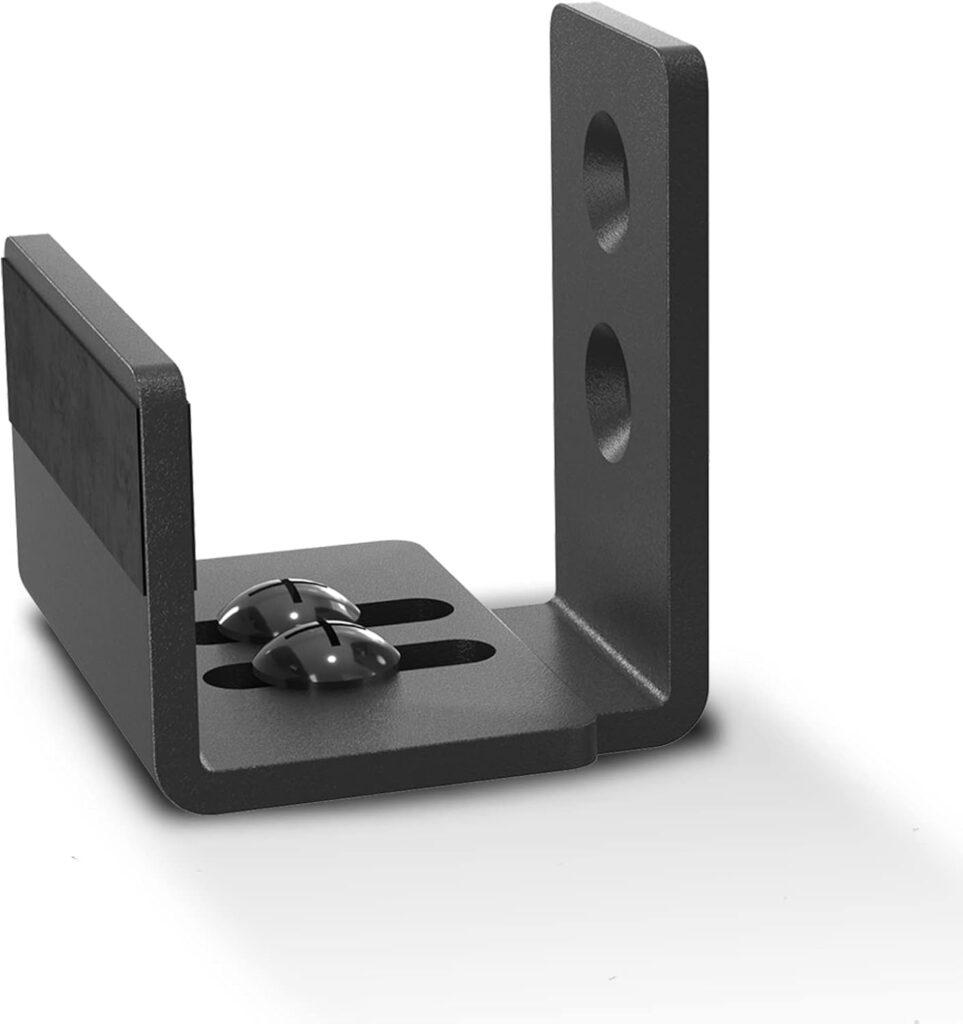
Best for:
- Doors with a centered groove
- Consistent door thickness
- Maximum stability
Pros:
- Excellent sway control
- Simple design
- Very durable
Cons:
- Requires a groove cut into the door
- Groove depth must be precise
These are my go-to choice when the door comes pre-grooved.
2. L-Shaped Floor Guides
L-shaped guides press against one side of the door.
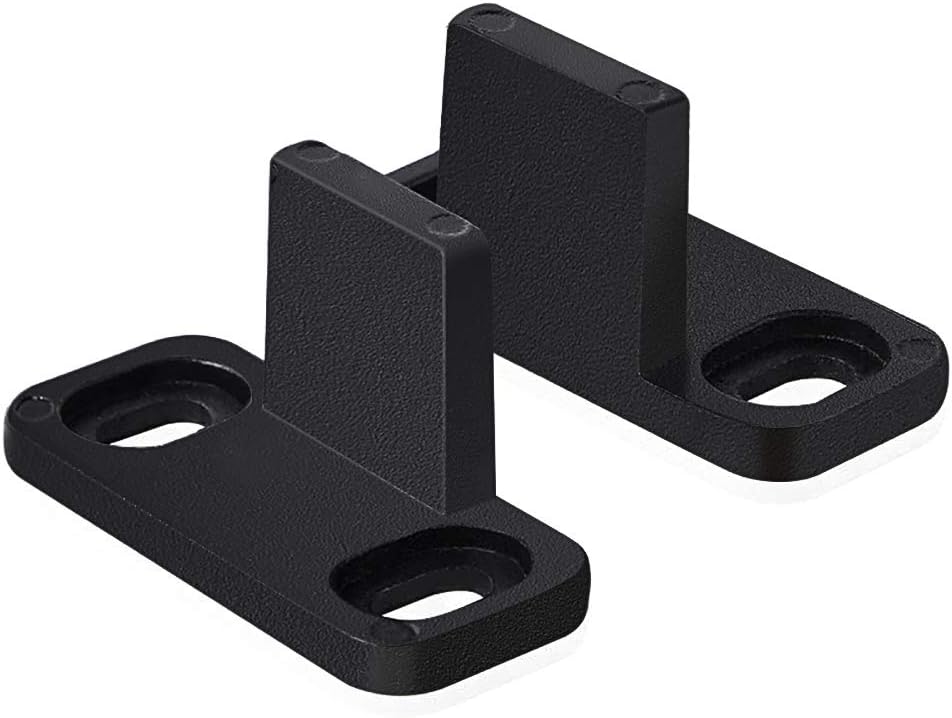
Best for:
- Solid wood doors
- Retrofits without a groove
- Tight clearances
Pros:
- No door modification required
- Easy installation
- Minimal visual footprint
Cons:
- Slightly less stability than U-shaped
- Requires precise placement
This style works well when drilling into the door is not an option.
3. Roller-Based Floor Guides
Roller guides use small wheels to guide the door smoothly.
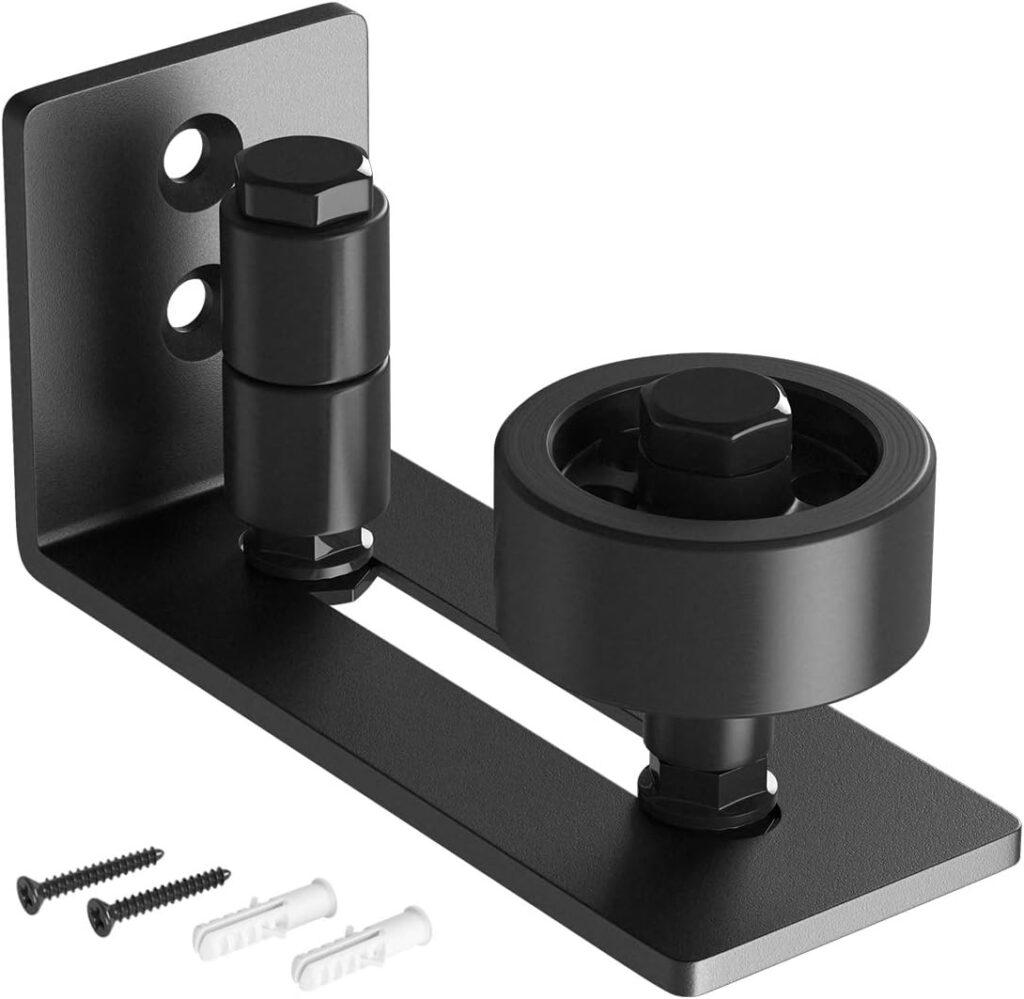
Best for:
- Heavy doors
- Homes with kids or pets
- High-use doorways
Pros:
- Very smooth operation
- Reduces friction and noise
- Adjustable spacing
Cons:
- More moving parts
- Slightly more visible
Roller guides are forgiving when doors aren’t perfectly straight.
4. Wall-Mounted Floor Guides
These attach to the wall instead of the floor. (See the U-Shaped and Roller Guides above).
Best for:
- Concrete or radiant-heated floors
- Delicate flooring materials
Pros:
- No floor drilling
- Clean look on finished floors
Cons:
- Less effective on wide doors
- Requires solid wall anchoring
How Your Flooring Affects the Choice
Flooring matters more than most people expect.
Hardwood and Engineered Wood
Most guides work well. Use felt-backed or rubberized bases when possible.
Tile or Stone
Drilling requires care. Roller or wall-mounted guides reduce cracking risk.
Concrete
Strong surface, but permanent. Measure carefully before drilling.
Floating Floors
Avoid pinning the floor. Wall-mounted guides or guides placed in grout lines work better.
Choosing the wrong guide for your floor can cause squeaks, movement, or long-term damage.
Door Thickness and Weight Considerations
Not all guides fit all doors.
- Thick doors need wider guides
- Thin doors need tight tolerances
- Heavy doors benefit from roller guides
A guide that’s too tight causes friction. One that’s too loose allows sway.
If you’re still deciding on door type, this overview of barn door hardware components helps clarify compatibility.
Safety, Kids, and Pets
Floor guides play a quiet safety role.
A stable door:
- Reduces derailment risk
- Prevents sudden swings
- Protects fingers and paws
For homes with kids or pets, choose a guide with smooth edges and minimal pinch points. Roller guides often perform best in active households.
Common Mistakes to Avoid
I see the same issues repeatedly.
- Skipping the floor guide entirely
- Choosing style over function
- Installing the guide off-center
- Using cheap plastic guides
- Ignoring floor type
Most barn door problems show up at the bottom first, not the top.
Realistic Expectations
A floor guide improves stability, but it won’t fix a poor installation.
It won’t:
- Make a warped door straight
- Compensate for loose wall mounting
- Prevent misuse or climbing
Think of it as alignment insurance, not a magic fix.
Frequently Asked Questions
Do I need a floor guide for every barn door?
Yes. Even light doors benefit from controlled movement.
Can I install a floor guide after the door is up?
Yes. Most guides can be added later with careful alignment.
Will a floor guide scratch my door?
Quality guides with rollers or smooth edges should not.
What if I have radiant floor heating?
Use wall-mounted guides to avoid drilling.
Are floor guides visible?
Some are noticeable. Many disappear visually once installed.
Conclusion: Choosing the Right Guide Matters
The right floor guide keeps your barn door quiet, stable, and predictable. It protects your hardware investment and makes daily use feel effortless.
Focus less on appearance and more on function. Match the guide to your door, floor, and lifestyle. When those pieces line up, barn doors work exactly as intended.
Reputable Resources for More Information
- This Old House – Sliding Door Hardware Basics
- Fine Homebuilding – Door Alignment and Stability
- Family Handyman – Barn Door Installation Tips